Choosing the right desktop computer for 3D printing can make CAD work, slicing, and multitasking feel dramatically smoother. The best systems handle large models without lag and keep exports moving fast.
For this roundup, we focused on practical performance, upgrade paths, and value so you can match a desktop to your design workflow, budget, and room to grow.
Best 10 Desktop Computer for 3d Printing Picks for 2026
Elite Business Tower

- 12-core Intel Core i7-12700K processor
- 32GB DDR5 RAM with 1TB PCIe SSD
- Dual 4K monitor support and USB-C
Best For: Makers needing fast multitasking and dual-screen productivity
Budget-Friendly Tower

- Intel i7 CPU up to 3.4GHz
- 16GB RAM and 512GB SSD
- Wi-Fi 6 and plug-and-play Windows 11 Home
Best For: Light 3D printing workflows and everyday home office use
Creator-Ready Tower
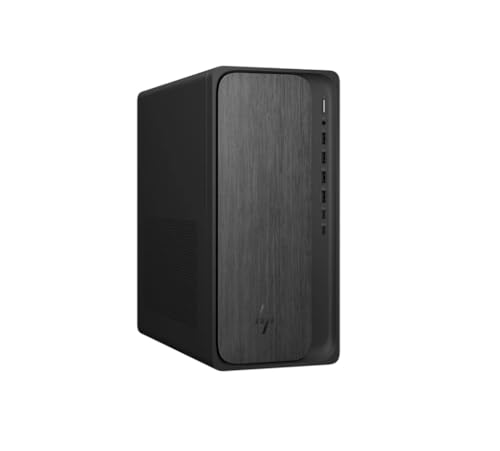
- Ryzen 7 8700G with 8 cores and AI support
- 32GB DDR5 memory and 1TB NVMe SSD
- Wi-Fi 6, Bluetooth 5.4, and Radeon 780M
Best For: Users wanting a modern, responsive PC for printing and multitasking
Compact Pro Tower

- 14th Gen Core i3-14100 with up to 4.7GHz turbo
- 8GB DDR5 RAM and 512GB PCIe NVMe SSD
- Dual 4K support with Wi-Fi 6 and USB-C
Best For: Space-conscious users who need dependable everyday productivity
Compact Renewed Pick
Dell OptiPlex 7050 SFF i7 Desktop

- 32GB DDR4 RAM for smooth multitasking
- 1TB SSD for fast boot and file storage
- Small Form Factor saves desk space
Best For: compact 3D printing setups that need reliable everyday performance
Expandable Tower Choice

- 8th Gen i7-8700 with 32GB DDR4 RAM
- 1TB SSD for fast loading and storage
- Tower case adds expansion and cooling options
Best For: makers who want a scalable tower for slicing and productivity
Ready-to-Use Bundle
Dell OptiPlex i7 Bundle with Monitor

- Includes 24-inch monitor and peripherals
- 16GB RAM and 512GB SSD for daily use
- Dedicated GT 1030 graphics add extra display support
Best For: beginners who want a complete desktop bundle for basic printing workflows
Value-Driven Home Office Pick
Dell Optiplex 3060 Renewed Desktop

- Intel Core i5-8500 with 32GB DDR4 RAM
- 1TB SSD for fast loading and file storage
- Built-in Wi-Fi, Bluetooth, and Windows 11 Pro
Best For: Makers who want a refurbished PC with strong memory and storage for slicing and file handling
Starter Bundle Choice
HP ProDesk 600 G3 SFF with Monitor

- Includes 21.5-inch FHD monitor, keyboard, and mouse
- 16GB DDR4 RAM with 256GB SSD
- Wi-Fi, Bluetooth, and DisplayPort connectivity
Best For: New buyers who want a compact bundle with monitor and peripherals included
Performance Upgrade Pick
Dell OptiPlex 7070 SFF Desktop

- 8-core Intel Core i7-9700 with up to 4.7 GHz boost
- 32GB DDR4 RAM and 1TB NVMe M.2 SSD
- Dual DisplayPorts and room for future expansion
Best For: Users who want the strongest overall performance for slicing and multitasking
Elite Business Tower – Dell i7-12700K Desktop
If you want a desktop computer for 3d printing that can also handle design work, slicing, and everyday multitasking, this Dell tower is built around a fast Intel Core i7-12700K, 32GB of DDR5 memory, and a 1TB PCIe SSD. It is a strong fit for users who need responsive performance, dual 4K monitor support, and plenty of connectivity for a busy workspace.
Best For: Makers and small business users who want fast multitasking and dual-monitor productivity.
Pros:
- Intel Core i7-12700K with 12 cores and 20 threads for demanding workloads
- 32GB DDR5 RAM and 1TB PCIe SSD for quick loading and smooth multitasking
- Dual 4K monitor support plus HDMI, DisplayPort, USB-C, Wi-Fi, and Bluetooth
- Includes Windows 11 Pro, wired keyboard, and mouse for a ready-to-use setup
Cons:
- Uses integrated Intel UHD Graphics 770 rather than a dedicated GPU
- Not positioned as a gaming-focused or graphics-heavy workstation
Overall, this Dell desktop stands out for practical speed, modern memory, and flexible display support. For 3D printing workflows that center on slicing, file management, and monitor-heavy productivity, it offers a balanced and dependable desktop setup.
Budget-Friendly Tower – Kroteaup i7 Home Office PC
This desktop computer for 3d printing is a practical pick if you mainly need a simple machine for slicing, file handling, browsing, and general home-office tasks. It combines an Intel i7 CPU, 16GB of RAM, and a 512GB SSD with Windows 11 Home, making it easy to get started without a complicated setup.
Best For: Everyday users who want an affordable, plug-and-play tower for light 3D printing workflows.
Pros:
- Intel i7 up to 3.4GHz with 4 cores and 8 threads for basic productivity
- 16GB DDR3 RAM and 512GB SSD for quick boot times and everyday multitasking
- Pre-installed Windows 11 Home with Wi-Fi 6 and HDMI for simple setup
- Upgrade-ready tower design with extra room for storage and graphics expansion
Cons:
- DDR3 memory is older than the DDR5 found in higher-end systems
- Integrated graphics and older platform specs limit future headroom
As a straightforward desktop for lighter 3D printing tasks, this model focuses on ease of use and basic speed rather than premium hardware. It makes sense for users who want a ready-to-run PC and plan to upgrade later if their workload grows.
Creator-Ready Tower – HP OmniDesk Ryzen 7
For a desktop computer for 3d printing that can also handle broader creator and multitasking needs, the HP OmniDesk pairs an AMD Ryzen 7 8700G with 32GB of DDR5 memory and a 1TB NVMe SSD. It also includes Wi-Fi 6, Bluetooth 5.4, and Radeon 780M graphics, giving you a responsive all-around desktop for design files, slicing software, and day-to-day work.
Best For: Users who want a modern, well-rounded PC for 3D printing, light creation, and multitasking.
Pros:
- AMD Ryzen 7 8700G with 8 cores and Ryzen AI support
- 32GB DDR5 memory and 1TB PCIe Gen4 NVMe SSD for fast performance
- Radeon 780M graphics plus HDMI output for flexible display use
- Wi-Fi 6, Bluetooth 5.4, and included keyboard and mouse
Cons:
- Includes integrated graphics instead of a separate dedicated GPU
- Ships with Windows 11 Home rather than Pro
This HP desktop offers a strong mix of speed, memory, and modern connectivity for makers who want more than a basic office PC. It is a sensible choice if your 3D printing setup benefits from quick responsiveness and room to multitask.
Compact Pro Tower – Dell 2026 Core i3 Desktop
If you need a desktop computer for 3d printing that stays compact and business-friendly, this Dell tower offers 14th Gen Intel Core i3 performance, 8GB of DDR5 memory, and a 512GB PCIe NVMe SSD. It is built for everyday productivity, dual 4K monitor support, and modern connectivity in a small footprint.
Best For: Space-conscious users who mainly need a dependable PC for file prep, slicing, and daily work.
Pros:
- 14th Gen Intel Core i3-14100 with up to 4.7GHz turbo speed
- DDR5 memory and NVMe SSD for responsive everyday use
- Dual 4K monitor support through HDMI 2.1 and DisplayPort 1.4a
- Includes Windows 11 Pro, Wi-Fi 6, Bluetooth, USB-C, and SD card reader
Cons:
- 8GB RAM is the smallest memory configuration in this group
- Integrated graphics only, so it is not built for graphics-heavy workloads
This Dell is a sensible pick if your priority is a tidy desktop with modern ports and solid everyday speed. It works best for users who value business-ready features and dual-monitor productivity over maximum performance.
Compact Renewed Pick – Dell OptiPlex 7050 SFF i7 Desktop
If you want a desktop computer for 3d printing that can handle slicing, file prep, and everyday multitasking without taking up much space, this Dell OptiPlex 7050 SFF is a practical pick. Its Intel i7-7700, 32GB of DDR4 RAM, and 1TB SSD give it a solid foundation for fast boot times and responsive workflow management.
Best For: Makers who need a compact Windows 11 Pro desktop for slicing software, file management, and general 3D printing tasks.
Pros:
- Intel Core i7-7700 and 32GB DDR4 RAM support smooth multitasking.
- 1TB SSD provides fast boot and plenty of storage for project files.
- Small Form Factor design saves desk space in a workshop or home office.
- Includes Wi-Fi, Bluetooth, keyboard, mouse, and Windows 11 Pro.
Cons:
- Integrated Intel UHD Graphics 630 is not aimed at heavy graphics work.
- Renewed unit comes with a 90-day seller warranty, not a long-term coverage plan.
Overall, this Dell is a strong space-saving option for users who value reliable performance and large memory over workstation-class graphics. For 3D printing workflows that center on slicing and file handling, it covers the essentials well.
Expandable Tower Choice – HP ProDesk 600G4 i7 Tower
For a desktop computer for 3d printing that also handles content-creation work, the HP ProDesk 600G4 Tower has a strong spec sheet. The 8th Gen i7-8700, 32GB DDR4 RAM, and 1TB SSD make it well suited to slicing software, large project libraries, and other multitasking-heavy workflows.
Best For: Users who want a roomy tower with strong multitasking power for slicing, media work, and everyday productivity.
Pros:
- 8th Gen Intel Core i7-8700 and 32GB DDR4 RAM support heavy multitasking.
- 1TB SSD offers fast startup and quick access to project files.
- Expandable tower design includes additional storage and cooling options.
- USB-C, multiple USB ports, and dual DisplayPort outputs add flexibility.
Cons:
- Integrated Intel HD Graphics 630 is not designed for demanding GPU work.
- Renewed model includes 90-day warranty coverage.
This HP stands out if you want a more expandable desktop that can stay in service as your workflow grows. It focuses on fast, dependable performance rather than graphics muscle, which is often enough for 3D printing preparation.
Ready-to-Use Bundle – Dell OptiPlex i7 Bundle with Monitor
If you need a desktop computer for 3d printing and want a ready-to-use bundle, this Dell OptiPlex package is easy to set up. It pairs an Intel Core i7 desktop with 16GB RAM, a 512GB SSD, Wi-Fi, Windows 11 Pro, and a 24-inch monitor, which makes it convenient for slicing and everyday project work.
Best For: Buyers who want an all-in-one bundle with a monitor and accessories for basic 3D printing tasks.
Pros:
- Includes a 24-inch HDMI monitor plus keyboard, mouse, and headset.
- Intel Core i7, 16GB RAM, and 512GB SSD support everyday responsiveness.
- Wi-Fi and Windows 11 Pro are included for a ready-to-go setup.
- Dedicated GT 1030 2GB graphics add some extra visual capability.
Cons:
- DDR3 memory is older than the DDR4 found in newer systems.
- 512GB storage is smaller than some higher-capacity alternatives.
- 24-inch bundle monitor is 1080p, not 4K.
This bundle is a convenient choice if you want fewer separate purchases and a functional setup right out of the box. For 3D printing, it covers the basics well, especially when the priority is simplicity and included accessories.
Value-Driven Home Office Pick – Dell Optiplex 3060 Renewed Desktop
If you want a desktop computer for 3d printing that can handle slicing software, file management, and everyday multitasking without much fuss, this renewed Dell Optiplex 3060 is a practical choice. The Intel Core i5-8500, 32GB of DDR4 RAM, and 1TB SSD give it a responsive feel for running design tools and keeping project files close at hand.
Best For: Makers who want a refurbished workstation-style PC with strong memory and storage for day-to-day 3D printing workflows.
Pros:
- 6-core Intel Core i5-8500 with up to 4.1 GHz boost helps with multitasking and slicing tasks.
- 32GB RAM and 1TB SSD provide fast loading and plenty of room for project files.
- Built-in Wi-Fi and Bluetooth make setup easier in a home workshop or office.
- Includes Windows 11 Pro and a 90-day warranty from a Microsoft Authorized Refurbisher.
Cons:
- Uses integrated Intel UHD Graphics 630 rather than a dedicated graphics card.
- Renewed unit with only 90-day warranty coverage.
Overall, this Optiplex 3060 is best when you value plenty of RAM, solid SSD storage, and dependable everyday performance over graphics horsepower.
Starter Bundle Choice – HP ProDesk 600 G3 SFF with Monitor
This desktop computer for 3d printing is aimed at buyers who want a ready-to-go bundle with the essentials included. The HP ProDesk 600 G3 SFF pairs a 6th Gen Core i5-6500, 16GB of DDR4 RAM, and a 256GB SSD with a 21.5-inch FHD monitor, keyboard, and mouse, making it easy to start organizing prints and running slicer software right away.
Best For: New buyers who want a compact refurbished desktop bundle with a monitor and basic peripherals included.
Pros:
- Includes a 21.5-inch 1080p monitor plus keyboard and mouse.
- 16GB DDR4 RAM and SSD storage support smooth everyday use.
- DisplayPort, USB-C, USB 3.1, Wi-Fi, and Bluetooth add useful connectivity.
- Windows 11 Pro comes preinstalled for a modern software environment.
Cons:
- 256GB SSD is smaller than the larger-storage options in this roundup.
- Older Core i5-6500 platform is less powerful than newer 8th/9th-gen systems.
This is a sensible pick if you want the convenience of an all-in-one starter bundle and do not need a lot of storage or top-tier processing power.
Performance Upgrade Pick – Dell OptiPlex 7070 SFF Desktop
For a desktop computer for 3d printing that can keep up with heavier multitasking, the Dell OptiPlex 7070 SFF stands out. Its 8-core Intel Core i7-9700, 32GB of DDR4 RAM, and 1TB NVMe M.2 SSD should feel quick when launching software, moving large project files, and managing multiple tasks at once.
Best For: Users who want the strongest overall performance here for slicing, multitasking, and future expansion.
Pros:
- 8-core Core i7-9700 with up to 4.7 GHz boost offers the strongest CPU in this group.
- 32GB RAM and 1TB NVMe SSD support fast response and plenty of storage.
- Supports two displays through dual DisplayPorts for a practical workstation setup.
- Roomy case and 4 memory slots leave room for future expansion.
Cons:
- Integrated Intel UHD Graphics 630, so it is not built for graphics-heavy workloads.
- Renewed unit with a 90-day warranty, which is shorter than many buyers prefer.
If you want the most capable option in this roundup for everyday work and heavier 3D printing workflows, this OptiPlex 7070 is the one to beat.
How We Picked the Best Desktop Computer for 3d Printing
We prioritized systems that are well suited to a Desktop Computer for 3d Printing workflow: responsive multi-core processors, at least 16GB of RAM for light use, 32GB for heavier projects, fast SSD storage, and enough connectivity for monitors and peripherals. We also looked at whether each machine offers a sensible balance of price, reliability, and upgrade potential.
Quick Comparison
In general, higher-end towers are the best fit for users working with large assemblies, multiple applications, or frequent slicing jobs. Midrange business desktops are usually the sweet spot for most hobbyists because they offer strong CPU performance and generous memory at a lower cost. Smaller SFF systems can still work well for lighter CAD and slicing tasks, but they tend to have fewer upgrade options and less cooling headroom.
Key Buying Factors for a Desktop Computer for 3d Printing
Processor
Cura, PrusaSlicer, Fusion 360, SolidWorks, and similar tools benefit from strong single-core speed and enough cores for background tasks. For most buyers, an Intel Core i7 or Ryzen 7 class CPU is a safe target.
Memory
16GB is acceptable for basic modeling, but 32GB is a better long-term choice if you open large files, keep many browser tabs active, or run CAD and slicing software at the same time.
Storage
An SSD is essential. A 1TB drive gives you room for project files, textures, exports, and software without constantly managing space. NVMe storage is preferred when available.
Graphics
Most 3D printing workflows do not require a powerful discrete GPU, but a capable integrated GPU or basic dedicated graphics can help with viewport responsiveness and multi-monitor use.
Form Factor and Upgrades
Tower desktops usually offer better cooling, easier upgrades, and more expansion room than small form factor models. If you expect to add more RAM or storage later, choose a case and motherboard that make that easy.
Who Should Buy Which Desktop Computer for 3d Printing?
If you want the best all-around Desktop Computer for 3d Printing, choose a tower with a fast i7 or Ryzen 7 processor, 32GB of RAM, and a 1TB SSD. If you mainly slice files and do moderate CAD work, a well-equipped business desktop with 16GB to 32GB of RAM is often enough. If desk space is limited, an SFF model can still be a smart choice, provided you are not planning heavy multitasking or major future upgrades.
In short, pick the strongest CPU and most memory you can reasonably afford, then confirm the system has the storage and connectivity to support your workflow for the next few years.